
In Aotearoa we are brought up to believe that some animals such as our dogs and cats should be protected, while others like possums and rats etc should be killed because they are “pests”. But how many of us have thought deeper about our mindset towards these so called “pests”? It is high time we challenge the way we view these animals.

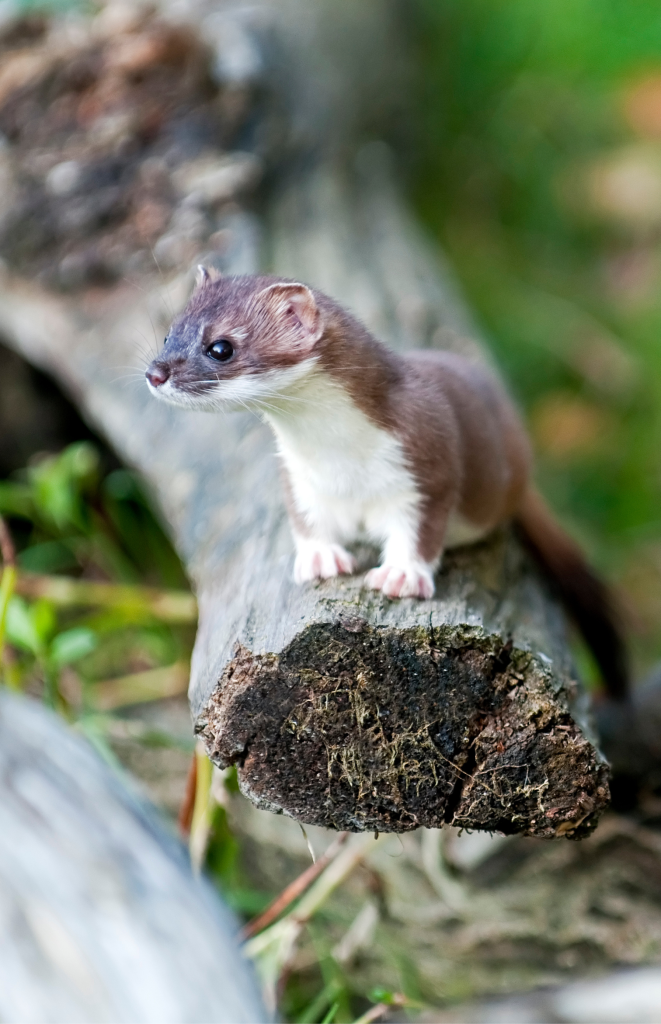
Part of the reason people hate animals such as rats, mice, possums and stoats so much is because they have been deliberately demonised. The way these so-called “pests” are referred to leads people to see them as evil creatures and the fact that they are living, feeling individuals is completely overlooked. These animals are described as “invaders” and our attempt to kill all of them is called a “battle” which an “army” of volunteers will fight with “weapons” such as traps and poison.
Using these terms makes it seem like these so-called “pests” are the bad guys, but really they are just innocent animals. They are no different from the cats and dogs who we love in our homes. Possums, rats and other animals who we deem as pests do not have moral agency like we do, so they can’t be held accountable for their actions. Is it not therefore incredibly irresponsible of us to make out like they are evil when they are not deliberately trying to cause harm, but are just going about their lives and trying to survive? It is also disgusting that we make them out to be so terrible because it was us who brought them here in the first place. We introduced stoats in the late 1800s to try to reduce the number of rabbits, who we originally brought here for hunting in the 1830’s. We also brought possums here around this time to try to establish a fur trade. Now all of these animals are unwanted. It is through no fault of their own that these so-called “pest” animals are present in Aotearoa. So how is it fair that we punish them with horrific poison and torturous deaths when it is our fault that they’re here in the first place?
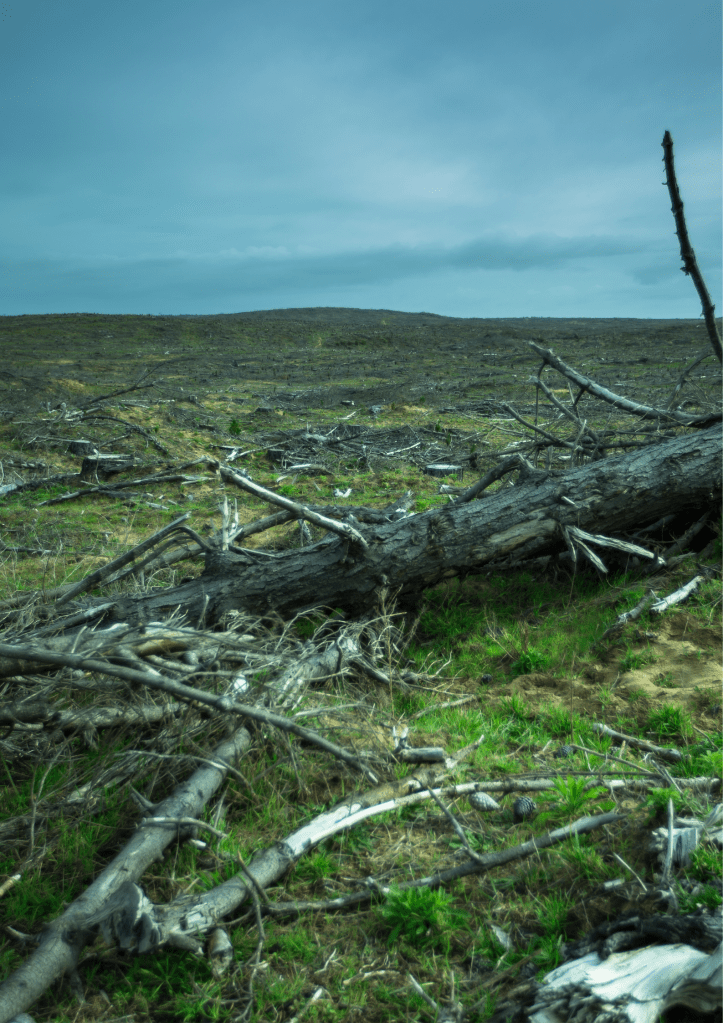
The damage that so-called “pests” cause is also portrayed very unfairly. Although stoats, rats and possums do harm our native flora and fauna, we are really just using them as a scapegoat because actually it is us who have caused by far the most damage to the biodiversity in Aotearoa. It is us who burnt and cleared masses of native forest and drained swamps to make way for human activities, especially animal farming. Since we arrived in Aotearoa the percentage of native forests covering the land has dropped from 80% to just 24%. This is terrible for natural ecosystems and is devastating for our native animals. Human activities are also polluting the waterways, the air, and the soil. So although it is true that the animals we call pests cause harm to our biodiversity, they are only a small part of a much bigger problem caused entirely by humans.
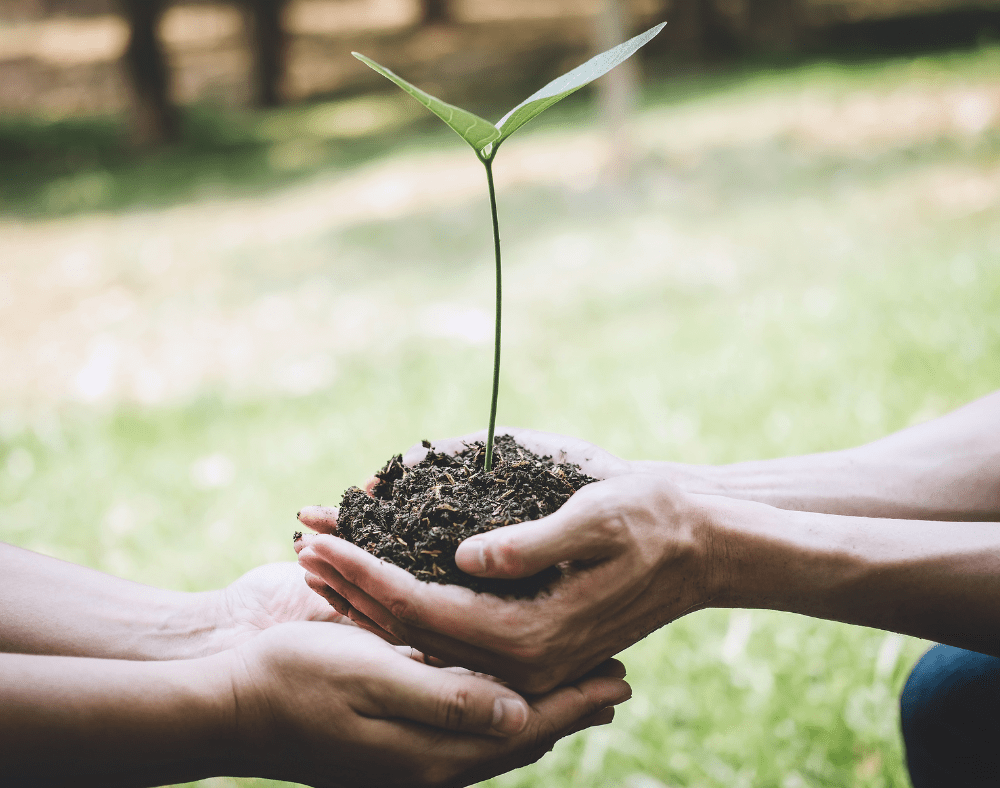
If we really want to make New Zealand a harmonious, biodiverse place again then we first need to stop pointing the finger at others, especially innocent animals, and start taking responsibility for our own impact. This would mean addressing the destruction wrought by animal agriculture and changing to a plant based food system, banning plastic, dismantling pollutive industrial systems and reforesting the land. We need to start by changing our entire relationship with nature from one which exploits nature to one which is grounded in values such as tauwhirotanga (compassion) and whakaute (respect).
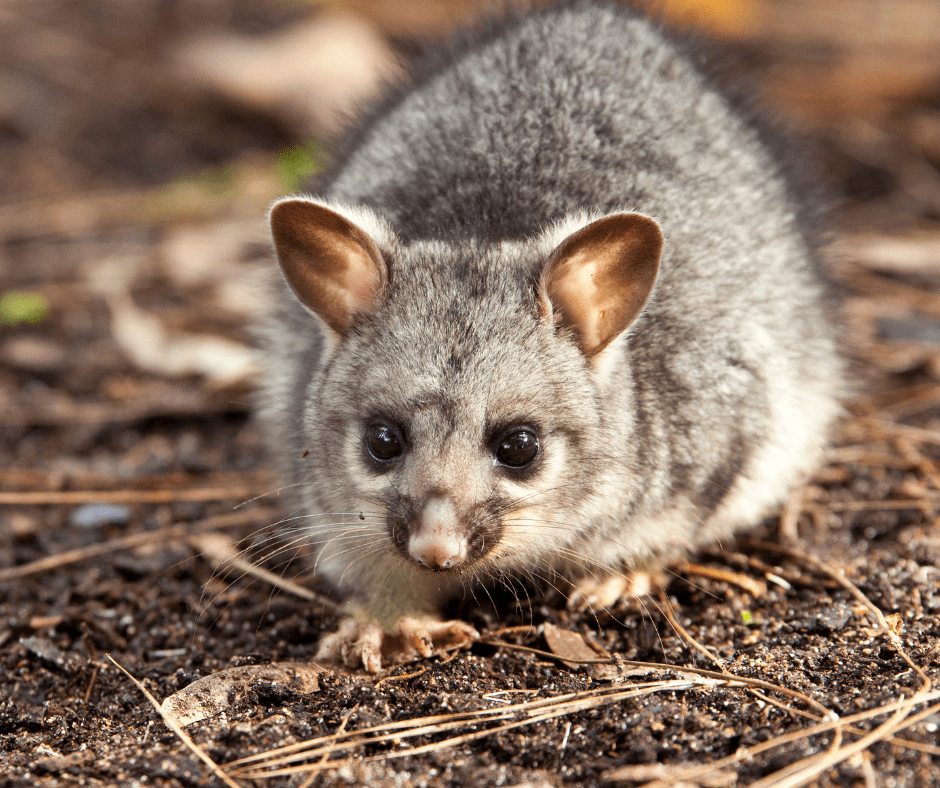
As for the “pest” problem, we need to stop pretending we can kill and torture our way back to a harmonious, natural Aotearoa. Instead, introduced species should be addressed with a respectful approach which appreciates their sentience and individuality. This would mean finding ways to reduce their numbers without actually harming them, possibly by some form of sterilisation. Instead of jumping straight to violence as the answer we should use our intelligence and creativity to form new systems of “pest control” that consider the rights of all beings and which will actually benefit everyone.
The Story of Popcorn and Peanut
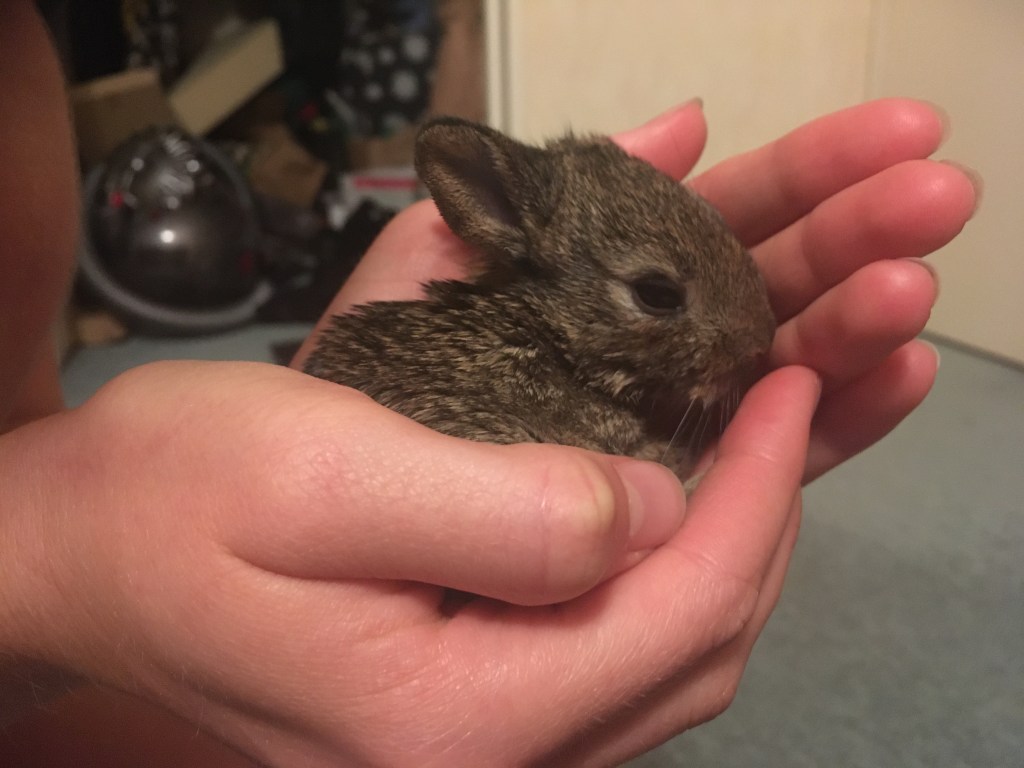
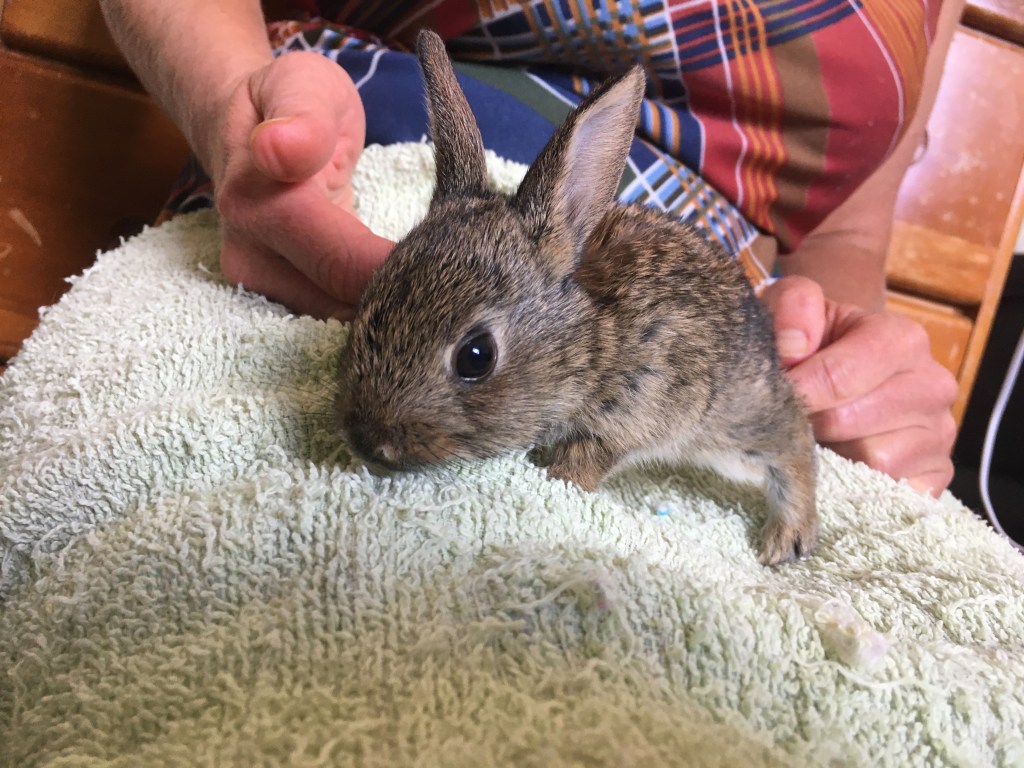
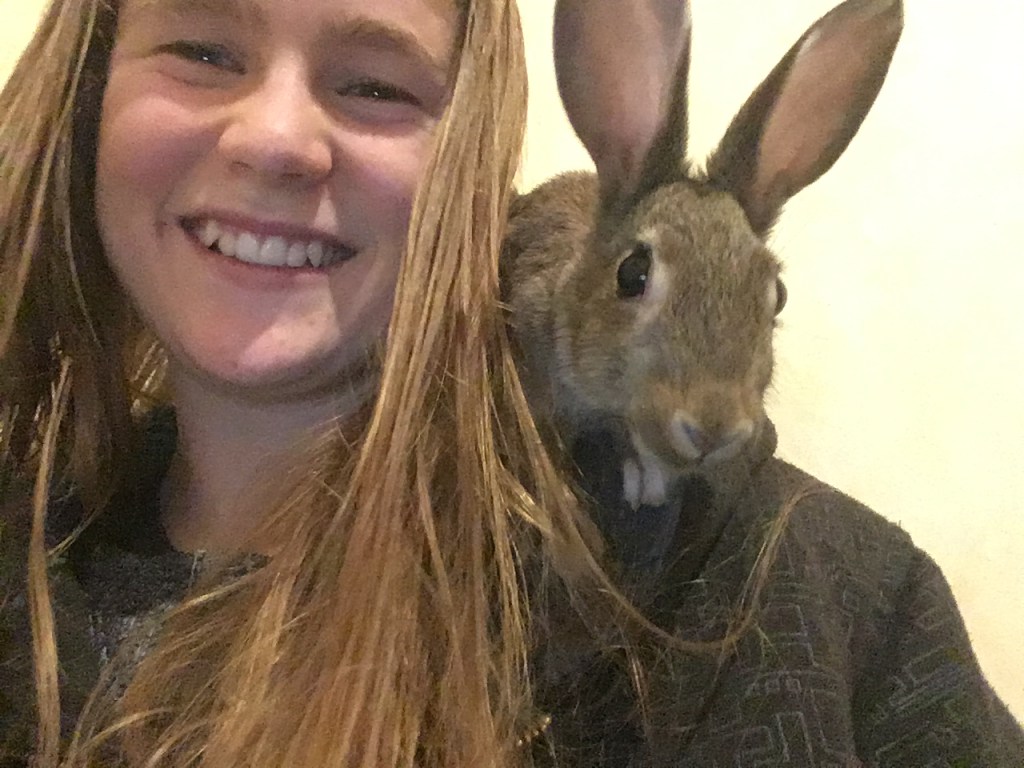
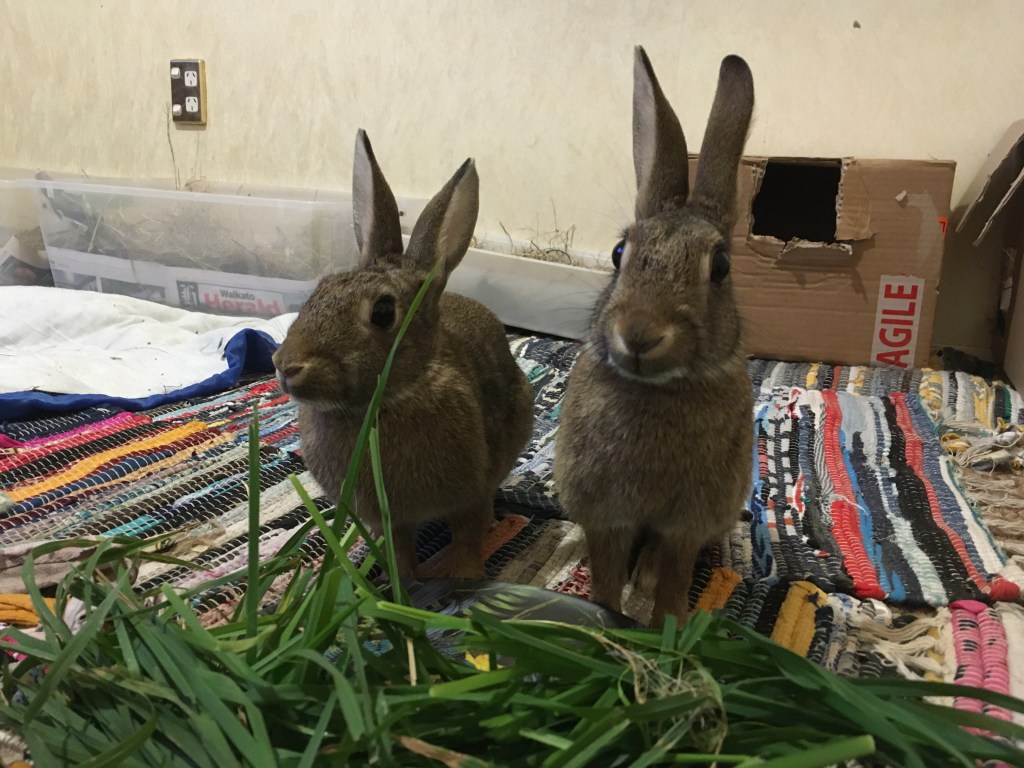
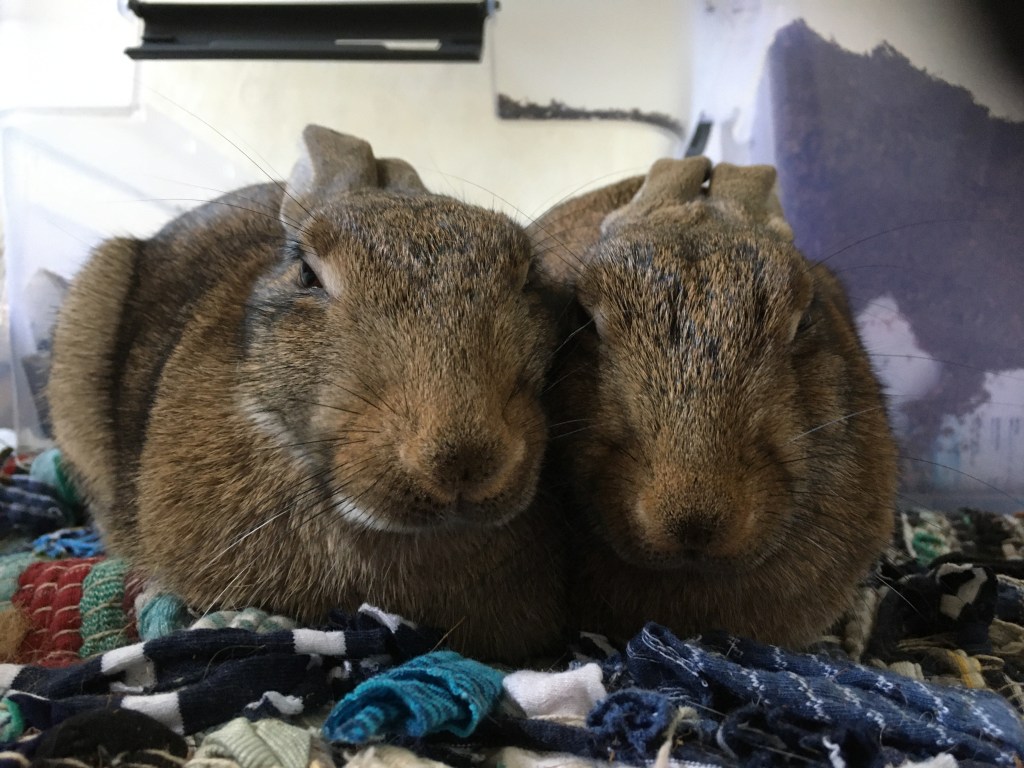
My mum and I have ten animals, two of whom are rescued wild rabbits, Popcorn and Peanut. They were brought to us when their burrow was dug up at a construction site. At only a few days old they still had their eyes tightly closed. They were so small and innocent. When we asked for advice from rabbit experts one of the suggestions was that it would be best to have them put to sleep, i.e. killed. However we never even considered it and were determined to at least give them a chance at life.
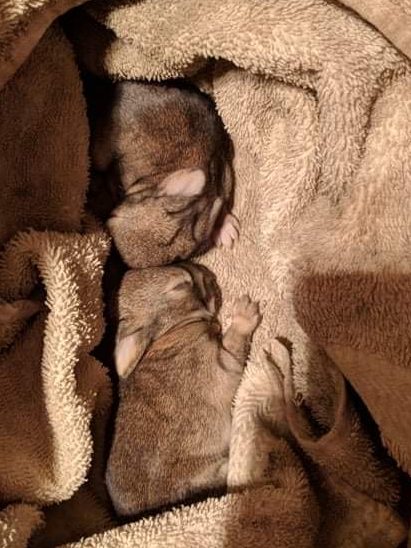
We kept them warm and syringe fed them twice a day. They grew very fast. Now they have their own whole room, as well as an outside area. They are the sweetest, funniest, craziest little animals. We can’t even comprehend how someone could ever want to purposely cause them any harm, let alone kill them. When you actually get to know the animals who have been classified as “pests” you quickly see that they are just as worthy of love as any other animal. They have personalities too, and their own emotions and feelings. My mum and I never thought it was ok to kill “pest” animals like we do in NZ, but if we had, looking after Popcorn and Peanut would have definitely changed that.
References:
Seger, S & McKibbin, P. (2022, Autumn). Why Should Vegans Care About Pests? Aotearoa Vegan and Plant Based Living 38-40.

See for yourself the reality of animal agriculture in this shocking documentary. Using undercover footage, “Dominion” exposes the true horrors you are paying for when you buy animal products.
Want to go vegan but not sure how? Join the 22 Day Vegan Challenge and receive free support to help you make the switch to a plant based diet. Sign up now and stop being the reason animals suffer. What are you waiting for?
 For Animals.
Leave a comment